Kuwait Accelerates Real Estate PPP Projects to Boost Infrastructure Development
- Michael Ghobrial

- Sep 1, 2025
- 4 min read
Kuwait is on the fast track to enhancing its infrastructure through public-private partnership (PPP) projects in real estate. This initiative not only aims to transform the urban landscape but also opens doors for construction opportunities for local and international contractors. As the government works to diversify its economy and improve public services, the details, timelines, and actionable recommendations for these projects are crucial for construction professionals.

Overview of the PPP Initiative
The Kuwaiti government has recognised the importance of robust infrastructure as a key driver of economic growth. By utilising public-private partnerships, it seeks to attract private investment, expertise, and creative solutions in the construction sector. This strategy eases the financial load on the state and creates a collaborative environment where both public and private sectors can flourish.
The recent decision to speed up real estate PPP projects demonstrates a strong commitment to improving urban infrastructure. This includes various developments in residential, commercial, and mixed-use sectors, which are projected to generate thousands of construction jobs and significantly boost local businesses.
Key Projects and Timelines
Several major projects are underway under the PPP framework. These include:
Kuwait City Development: A transformative project aimed at turning the capital into a modern urban hub. It includes residential, commercial, and recreational areas. The government plans to complete this project in five years, with the first phase kicking off in early 2024.
New Housing Initiatives: To combat the rising demand for housing, currently estimated at a shortfall of about 40,000 units, the government is poised to launch several residential projects over the next three years. These will focus on affordable housing solutions.
Infrastructure Upgrades: To support anticipated population growth (projected to reach 5 million by 2030), significant investments will be made in enhancing existing infrastructure, such as roads, utilities, and public transport. Improved infrastructure will also link new developments to established urban areas, enhancing accessibility and mobility.

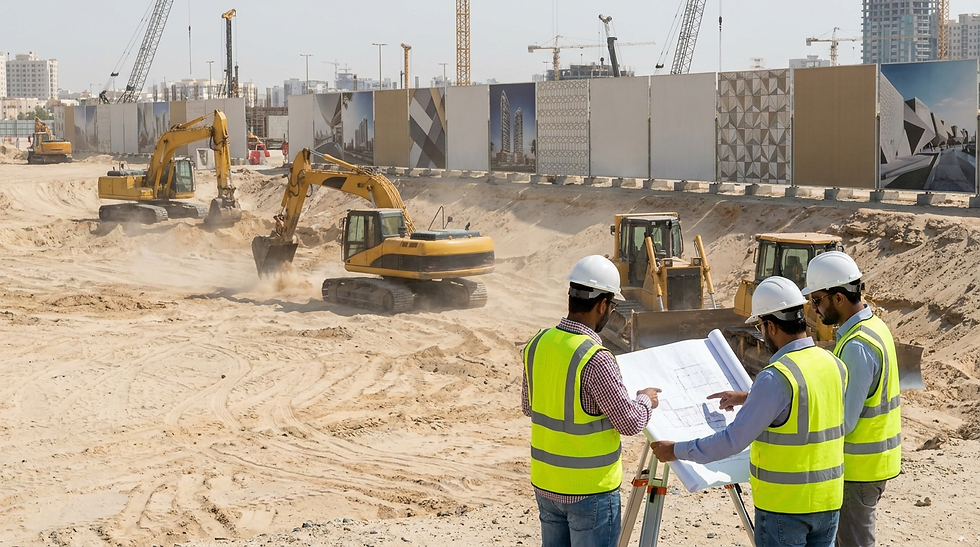
Construction site bustling with activity and machinery
Technical Details and Regulatory Requirements
For contractors aiming to participate in these PPP projects, understanding technical specifications and regulatory requirements is critical. Each project involves specific guidelines such as:
Environmental Impact Assessments: Conducting thorough assessments is essential to comply with environmental regulations. A notable statistic is that projects must demonstrate at least a 20% reduction in carbon emissions compared to traditional construction methods.
Quality Standards: Adhering to both local and international quality standards is essential, focusing on construction materials, methods, and safety protocols to ensure projects are completed safely and effectively.
Bidding Process: The competitive bidding process will require contractors to present detailed proposals showcasing their capabilities and experience. For instance, past experiences with projects similar in scope can improve a contractor’s chances of selection.
Partnership Structures: Understanding various PPP models, such as joint ventures or consortia, will be vital for contractors as they navigate project requirements.
Actionable Strategies for Contractors
To thrive in Kuwait’s evolving landscape of infrastructure development, contractors should consider the following strategies:
Stay Informed: Regular updates from the Kuwaiti government regarding PPP projects can be invaluable. Attending industry conferences, workshops, and networking events can improve awareness of opportunities and trends.
Build Local Partnerships: Forming alliances with local companies can provide insights into regulatory processes and cultural nuances, boosting competitiveness. Local firms understand regional requirements better, which can significantly improve project efficiency.
Invest in Training: Ensuring that teams are skilled in modern construction technologies and project management best practices is key. Ongoing professional development leads to high-quality work, which can increase market share.
Focus on Sustainability: Incorporating sustainable practices can set a contractor apart from competitors. Using eco-friendly materials and energy-efficient designs not only complies with new regulations but also attracts environmentally conscious clients.
Prepare for Due Diligence: Being ready for stringent due diligence during the bidding process means having the necessary documentation, financial statements, and detailed project plans readily accessible. Having these at hand can expedite the evaluation process.
The Role of Effective Project Management
Effective project management is vital for the success of PPP initiatives in Kuwait. With multiple stakeholders involved, clear communication and coordination are essential. Project managers should prioritise:
Risk Management: Identifying potential risks early and developing mitigation strategies can safeguard timelines and budget constraints. For example, proactive communications about potential delays can build trust with stakeholders.
Stakeholder Engagement: Actively engaging with all parties involved—including government entities, community members, and investors—can cultivate a collaborative environment, improving project outcomes.
Performance Monitoring: Implementing monitoring systems ensures projects meet quality standards and deadlines, helping to promptly address any issues.
Moving Forward in Kuwait’s Construction Landscape
Kuwait's push toward real estate PPP projects opens up immense construction opportunities for industry professionals. By understanding the key projects, timelines, and regulatory requirements, contractors can better prepare themselves for success in this dynamic market. Approaching these projects with a focus on effective management, sustainability, and local partnerships will be crucial as Kuwait continues to invest in enhancing its infrastructure. The potential for growth and innovation in the construction sector is substantial, paving the way for remarkable transformations in the urban environment.